

Born for the Extremes: Why Sodium-Ion Power Stations Could Rewrite Portable Energy
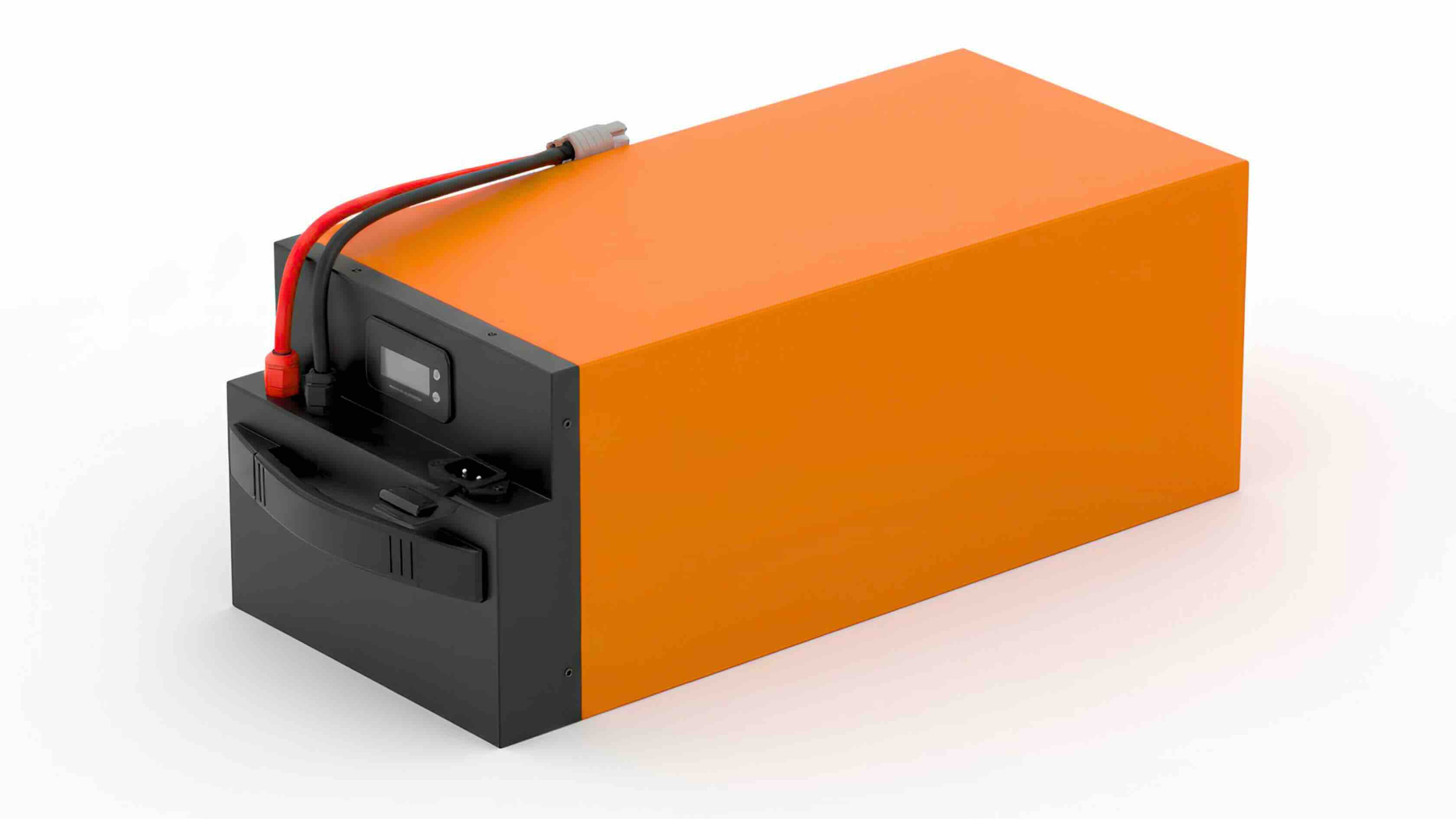
DCV Aurora sodium battery
Decarbon Venture has launched the all-new portable power station "DCV Aurora" that operates at -40 degrees
NORWAY, January 13, 2026 /EINPresswire.com/ -- When temperatures plunge to −30°C—or soar past 45°C—most batteries reveal their limits. Lithium-based power stations, now common for camping, cabins, and emergency backup, struggle at both ends of the thermometer. In deep cold, output collapses or systems refuse to start. In extreme heat, safety systems throttle performance, and the risk of thermal runaway becomes a real concern.A new contender aims to break that trade-off: sodium-ion battery power stations, designed to operate reliably across a far wider temperature range—without the fire risks that shadow lithium.
Why sodium-ion is different
Sodium-ion chemistry swaps lithium for abundant sodium, delivering three key advantages:
• Extreme-temperature resilience
Sodium-ion cells tolerate cold far better during discharge, with some designs claiming stable DC output at −50°C and inverter operation at −40°C. At the other extreme, sodium chemistry is inherently more tolerant of high ambient heat, reducing the need for aggressive thermal throttling in desert or tropical conditions.
• Safety without compromise
Sodium-ion batteries are not prone to thermal runaway in the way lithium chemistries are. They don’t propagate fire, don’t require exotic suppression systems, and remain stable under mechanical damage or overheating. For indoor use, tents, cabins, vehicles, or wildfire-prone regions, this is a decisive advantage.
• Supply security
Sodium is abundant, globally distributed, and geopolitically low-risk—unlike lithium, nickel, or cobalt.
The trade-off? Lower energy density. A 2–3 kWh sodium-ion station will weigh more than an equivalent lithium unit. Charging still typically requires moderate temperatures or internal self-heating. But for reliability and safety, many users will accept the extra bulk.
Decarbon Venture is addressing these challenges with the launch of the DCV Aurora, a new sodium-ion power station designed for extreme weather.
Sodium-ion power stations are targeting:
• ~2.5 kWh capacity
• ~1500 W pure-sine AC output
• Verified operation from deep sub-zero cold to extreme summer heat
That’s enough to run furnace controls, pumps, routers, lighting, tools, medical devices, and comms gear—quietly and emissions-free.
Why this matters in the real world
• Cold climates: Where lithium systems fail to start at −20°C, sodium-ion keeps delivering power without external heaters.
• Hot climates: In deserts, vehicles, or disaster zones, sodium-ion’s thermal stability dramatically lowers fire risk and performance throttling.
• Quiet replacement for generators: No fumes, no noise, no cold starts—and usable where engines are banned or impractical.
• Critical-load reliability: Most essentials draw tens—not thousands—of watts. Stable delivery matters more than peak output.
Use cases already lining up
Ice fishing, winter camping, overlanding, off-grid cabins, storm backup, emergency response, field crews, photography, and scientific work—anywhere power must function when conditions are hostile and failure isn’t an option.
The reality check
Discharging in extreme cold is easier than charging there. Electronics, connectors, seals, and displays must also survive −40°C and blistering heat. And bold temperature claims demand independent lab verification, not marketing charts.
The bottom line
DCV Aurora, Sodium-ion power stations won’t replace generators for long-term heavy heating—but they may replace them everywhere else. By combining extreme-temperature performance, exceptional fire safety, and quiet, clean operation, sodium-ion shifts portable power from “fair-weather convenience” to all-conditions infrastructure.
In environments where heat melts, cold freezes, and failure is costly, that’s not a niche upgrade—it’s a rethink of what portable energy should be.
www.dcvaurora.com
Simon F
Decarbon Venture Limited
email us here
Legal Disclaimer:
EIN Presswire provides this news content "as is" without warranty of any kind. We do not accept any responsibility or liability for the accuracy, content, images, videos, licenses, completeness, legality, or reliability of the information contained in this article. If you have any complaints or copyright issues related to this article, kindly contact the author above.
